When we first came up with Wednesday's Domaine, we used to say that the wine being alcohol-free was the punchline, not the headline.
That might sound like marketing speak, but look at what was on the market when we launched. Almost every option was marketed around abstinence, with names and branding that shouted about the absence of alcohol rather than quietly acknowledging it. We wanted the opposite.
Wednesday's Domaine has always been about choice and inclusivity. We want people to enjoy the occasion on their own terms, and our brand has always been fairly relaxed about whether someone chooses to drink or not. That positioning decision is what later gave us licence to move into lower-alcohol wine.
The signs it was time
It became increasingly obvious that there were still large numbers of wine lovers who weren't convinced by alcohol-free. With beer and spirits, the general view is that the alcohol-free versions have "cracked it". With wine, a lot of drinkers either aren't aware of the alcohol-free options or have simply had a poor experience.
At the same time, people were still looking to moderate. They wanted something that let them indulge and make a somewhat healthier choice at once.
Put those two things together and they pointed to lower-alcohol wine. Plenty of us are increasingly thoughtful about what we drink and when. For some that means alcohol-free, for others it means lower alcohol. Moving into that mid-strength space felt like a natural next step for the brand.
One brand, not two
We had two big decisions to make. Should the new wines launch as a separate brand? And how do we help people tell the two apart?
Join European founders, operators, and investors who read The Checkout every week.
Free weekly briefing
On the first, we stayed as one brand. Our positioning, tone of voice and language had always given us licence to expand. There was also an example in the US of a brand that split its alcohol-free and lower-alcohol ranges into separate brands, and it simply doubled the work. We wanted to build on the awareness and brand equity we already had, while recognising the new range might reach a slightly different type of customer.
On the second, it came down to branding. The lower-alcohol wines have a split colour palette and the ABV on the front of the bottle, so it's explicit that they contain alcohol. We hadn't historically put the ABV on the front of our 0% range, but now we do on both.
How people reacted, and what it unlocked
The responses fell into two camps. Some were fairly ambivalent: they understood it, but still saw the bigger opportunity in alcohol-free, pointing to the growth of alcohol-free beer and wine. Others, usually people who knew the space well as retailers or customers, had a lightbulb moment. They understood exactly why it made sense.
Nobody pushed back, and I think there were two reasons. The new wines were an addition to our 0% range, not a replacement for it. And the decision was consistent with our brand and with how we've always talked about drinking.
It has opened up a lot of exciting conversations in the on-trade, with restaurants, pubs and bars. They see it as a way to engage a broad audience at moments when spend is usually lower, such as midweek lunchtimes.
More importantly, it has reinforced our position as a category leader driving innovation in the space. We believe we're one of very few independent wine brands doing both no and low. We're not naive enough to think that will last, but it gives us a chance to help shape both categories while it does.
Knowing when to go
I think we did it at the right time. Any earlier and we'd have spent too long educating customers and building the space. Any later and we'd probably have missed the boat. There are a handful of us working to build awareness of lower-alcohol options, and it's exciting to watch it develop.
For any founder who suspects the core of their business needs to change, it's very personal. But I'd urge you to keep questioning your assumptions, welcome different perspectives, and then filter them based on where you see the opportunity.
I see our moves as evolutions rather than pivots. And there's something very satisfying about waiting, watching and considering, then, once you've made the decision, pushing ahead at full tilt.

Author
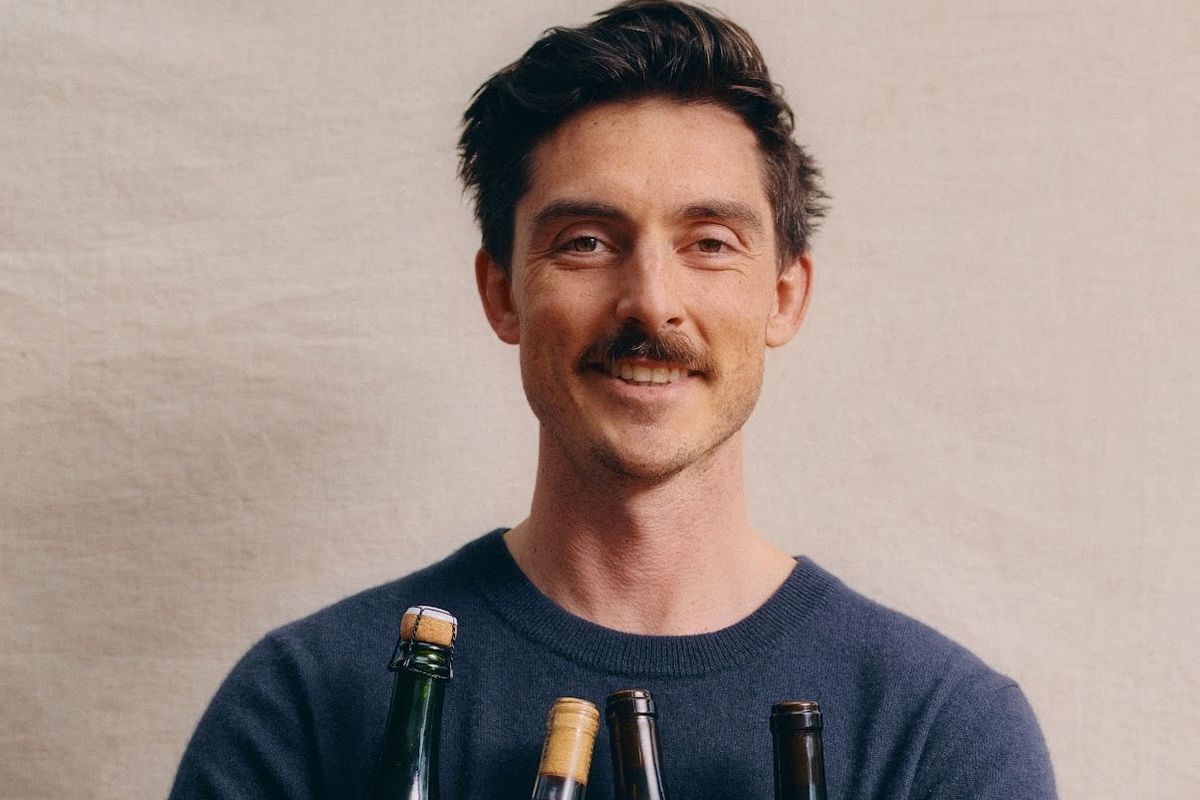
Luke Hemsley · Founder, Wednesday's Domaine